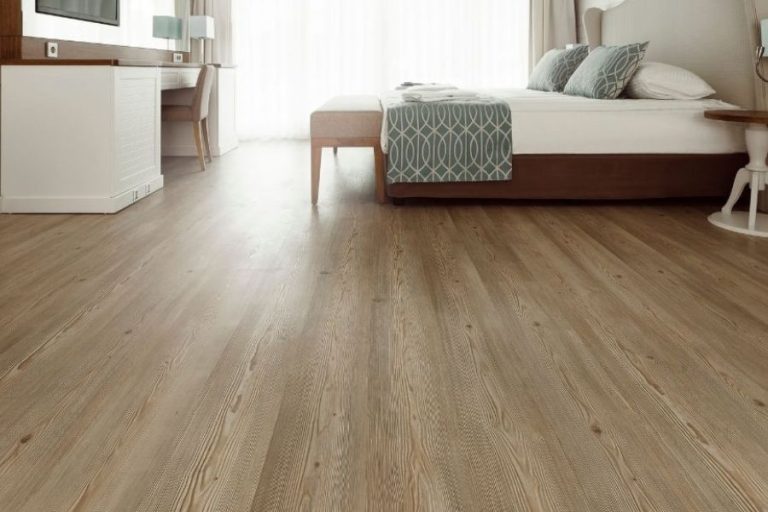
Best Flooring for Lowcountry Climate
Living in the Lowcountry means dealing with high humidity, temperature fluctuations, and the occasional tropical storm. Our coastal location demands flooring that can handle moisture without warping, buckling, or developing mold. When selecting flooring for this kind of environment, it’s critical to consider materials that offer both moisture resistance and structural stability — so your floors stay beautiful and functional no matter the season.
Whether you lean toward vinyl, tile, engineered wood, or other moisture-tolerant floors, understanding how climate affects flooring choices helps you make smarter, longer-lasting decisions. With the right materials and proper installation, you can enjoy flooring that stands up to coastal living while still enhancing your home’s comfort and style.
The Humidity Challenge
The Lowcountry experiences average relative humidity of 70-75%, with summer months often reaching 85% or higher. This moisture-rich environment causes:
- Wood Expansion: Solid hardwood can swell up to 8% as it absorbs moisture
- Cupping and Crowning: Uneven moisture exposure creates wavy, distorted floors
- Mold and Mildew: Organic materials in humid environments become breeding grounds
- Adhesive Failure: Some glues break down in consistently high humidity
Top Choices for Lowcountry Homes
1. Luxury Vinyl Plank – The Climate Champion
LVP’s waterproof construction makes it ideal for our region:
- Zero expansion or contraction with humidity changes
- Mold and mildew resistant
- Won’t warp if minor flooding occurs
- Performs consistently year-round
Lowcountry Recommendation: Choose SPC (stone plastic composite) core for maximum stability in our climate.
2. Porcelain Tile – The Traditional Coastal Favorite
Tile has protected Lowcountry homes for generations:
- Completely impervious to moisture
- Stays cool during hot summers
- Never swells, warps, or cups
- Timeless aesthetic suits coastal architecture
Lowcountry Recommendation: Select slip-resistant finishes for safety in humid conditions and seal grout properly to prevent moisture penetration.
3. Engineered Hardwood – Beauty with Stability
For those who love wood’s warmth, engineered hardwood offers the best performance:
- Cross-ply construction resists expansion and contraction
- Much more stable than solid wood in humidity
- Can handle our climate when properly acclimated
- Offers refinishing capability
Critical for Lowcountry:
- Maximum 5-inch plank width recommended
- Requires climate-controlled environment (dehumidification in summer)
- Floating or glue-down installation preferred over nail-down
- Must acclimate in home for 72 hours minimum before installation
4. Waterproof Laminate – Budget-Friendly Moisture Resistance
Modern waterproof laminate has evolved to handle humidity:
- Sealed edges prevent moisture intrusion
- More stable than traditional laminate
- Affordable hardwood alternative
Lowcountry Caution: While improved, still not as humidity-resistant as LVP or tile. Best for climate-controlled interiors.
What to Avoid in the Lowcountry
Solid Hardwood (with exceptions):
- Planks wider than 3.25 inches risk cupping and gapping
- Requires year-round humidity control (35-55%)
- Expensive dehumidification systems may be necessary
- Installation over concrete slabs not recommended
Exception: Solid hardwood can work in the Lowcountry if:
- You have an encapsulated crawl space with dehumidification
- Whole-home humidity control system is installed and maintained
- You choose narrow planks (3-inch maximum)
- You select harder, more stable species
Traditional Carpet in Basements or Concrete Slabs:
- Absorbs moisture from humid air and concrete
- Develops musty odors and mold
- Padding deteriorates rapidly
Bamboo Flooring:
- Despite marketing as water-resistant, bamboo actually absorbs moisture readily
- Expands and contracts more than most hardwoods
- Not recommended for humid climates
Special Considerations for Waterfront Properties
If your home is directly on or near the water:
- Elevation Matters: First-floor installations face more moisture exposure from ground humidity
- Storm Preparation: Choose flooring that can survive minor flooding (LVP, tile)
- Salt Air Impact: Finishes may deteriorate faster; choose UV and moisture-resistant options
- Regular Inspections: Check for signs of moisture intrusion quarterly
Managing Your Lowcountry Floor’s Environment
Even the best flooring needs environmental support:
Humidity Control:
- Maintain indoor relative humidity between 35-55% year-round
- Use whole-home dehumidification systems, not portable units
- Monitor with reliable hygrometers in multiple rooms
Temperature Stability:
- Avoid dramatic temperature swings (more than 10°F daily)
- If leaving home for extended periods, maintain climate control
- Never turn off HVAC completely in summer
Moisture Barriers:
- Install vapor barriers over concrete subfloors
- Ensure proper crawl space ventilation or encapsulation
- Address any plumbing leaks or roof issues immediately
With over three decades serving the Lowcountry, we’ve seen how proper flooring choice and climate management creates floors that maintain their beauty for generations despite our challenging coastal environment.
Flooring That Withstands Coastal Living
Choosing flooring suited for the Lowcountry isn’t just about aesthetics — it’s about resilience, practicality, and long-term value. By opting for materials designed to resist moisture, expand-and-contract stress, and wear from changing conditions, you ensure that your floors remain stable, safe, and visually appealing for years.
With careful selection and conscientious installation, you can trust your floors to handle whatever the coastal climate brings. Trust in flooring that’s built for life by the sea — and enjoy a comfortable, beautiful home that lasts through every season.