Flooring by Room: Making the Right Choice
Every room in your home has its own character — and its own flooring needs. What works beautifully in a cozy bedroom might not stand up to the demands of a high-traffic kitchen or a moisture-prone bathroom. By matching flooring type to room function, foot traffic, moisture exposure, and aesthetic goals, you ensure that each space performs well, looks great, and remains comfortable for daily life.
From the warmth and softness desired in living rooms and bedrooms to the water resistance required in bathrooms and the durability needed in entryways or hallways, thoughtful flooring selection is about more than surface appearance. It’s about making smart, practical choices that support how you live, how you move through your home, and how you care for each space as years go by.
Entryways and Foyers
Your entryway endures the harshest conditions: tracked-in sand, salt, moisture, and constant traffic.
Best Choices:
- Porcelain Tile – Superior durability and easy cleanup
- Luxury Vinyl Plank – Softer underfoot, excellent moisture resistance
- Herringbone or Parquet Patterns in Tile or LVP – Hides dirt and adds visual interest
Avoid: Carpet (traps dirt), solid hardwood in direct entry areas (moisture damage), light-colored grout (shows dirt)
Design Tip: Create a transition zone with highly durable flooring before moving into your main living areas with more delicate materials.
Kitchens
Kitchens demand water resistance, stain resistance, and durability under constant use.
Best Choices:
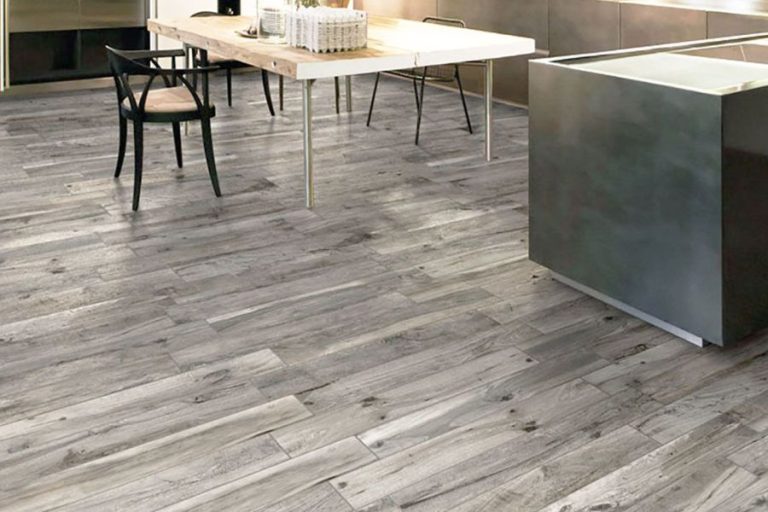
- Porcelain Tile – Virtually indestructible, endless design options
- Luxury Vinyl Plank – Waterproof, softer for standing, quieter than tile
- Engineered Hardwood – If you want wood’s warmth and have good spill habits
Avoid: Solid hardwood (moisture risk), carpet (impossible to keep clean), unsealed natural stone (stains easily)
Lowcountry Consideration: The combination of cooking heat and ambient humidity means extra moisture. Ensure proper ventilation and choose materials that won’t warp or develop mold.
Bathrooms
Bathrooms are the most moisture-exposed rooms in your home.
Best Choices:
- Porcelain Tile – Industry standard for good reason
- Luxury Vinyl Plank – Warm underfoot, completely waterproof
- Natural Stone – Luxurious but requires sealing
Avoid: Solid hardwood (will warp), laminate (traditional types will swell), carpet (mold and mildew nightmare)
Important: Whatever material you choose, proper grout sealing (for tile) and well-sealed seams (for LVP) are critical.
Living Rooms and Dining Rooms
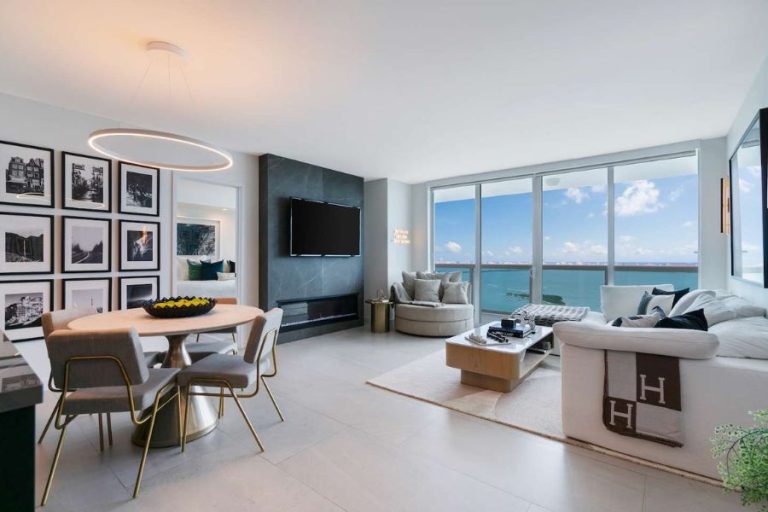
These spaces balance aesthetics with moderate traffic and the need for easy furniture movement.
Best Choices:
- Hardwood (solid or engineered) – Timeless elegance, adds value
- Luxury Vinyl Plank – Hardwood look without the maintenance concerns
- Large-Format Porcelain Tile – Contemporary aesthetic, extremely durable
Consider: These rooms are your home’s showcase. Prioritize aesthetics while ensuring durability for your lifestyle.
Bedrooms
Bedrooms prioritize comfort, warmth, and quiet.
Best Choices:
- Carpet – Soft, warm, comfortable for bare feet
- Hardwood (solid or engineered) – With area rugs for warmth
- Luxury Vinyl Plank – Quieter than tile, warmer than hardwood
Avoid: Tile (cold and hard underfoot), industrial-look finishes (too stark for rest spaces)
Tip: If choosing hard surfaces, pair with plush area rugs and ensure proper underlayment for sound dampening in multi-story homes.
Basements
Basements face unique challenges: concrete subfloors, potential moisture, and below-grade positioning.
Best Choices:
- Luxury Vinyl Plank – Handles moisture, installs over concrete easily
- Engineered Hardwood – More moisture-tolerant than solid
- Porcelain Tile – With radiant heat for comfort
Never Use: Solid hardwood (will cup and warp), standard laminate (moisture damage), carpet directly on concrete (mold growth)
Critical: Address any moisture issues before installation and use appropriate underlayment with moisture barrier.
Sunrooms and Three-Season Rooms
These spaces experience extreme temperature fluctuations and intense sunlight.
Best Choices:
- Porcelain Tile – Unaffected by temperature or UV exposure
- Luxury Vinyl Plank with UV Protection – Ensure product is rated for sunlight exposure
- Stained Concrete – Industrial-chic and virtually indestructible
Avoid: Hardwood (expands/contracts dramatically), standard carpet (fades quickly), cheap vinyl (yellows in sunlight)
Home Offices
Offices need chair-friendly surfaces that can handle desk furniture weight while maintaining a professional appearance.
Best Choices:
- Hardwood – Classic, professional look
- Luxury Vinyl Plank – Resistant to chair casters, easy maintenance
- Low-Pile Commercial Carpet – Designed for rolling chairs
Tip: If choosing carpet, get one specifically rated for desk chairs. If hardwood or LVP, use a chair mat to prevent wear in high-movement areas.
Smart Flooring for Every Corner of Your Home
When you choose flooring with each room’s needs in mind — from traffic level and moisture exposure to usage patterns and comfort — you set your home up for long-term satisfaction, beauty, and ease of care. A well-matched floor type can enhance livability, reduce maintenance headaches, and keep your interiors looking their best.
Take the time to consider what each room requires now and in the years to come. By doing so, you’ll create a home where every space feels right, performs reliably, and reflects your style — delivering comfort, durability, and value across every corner.