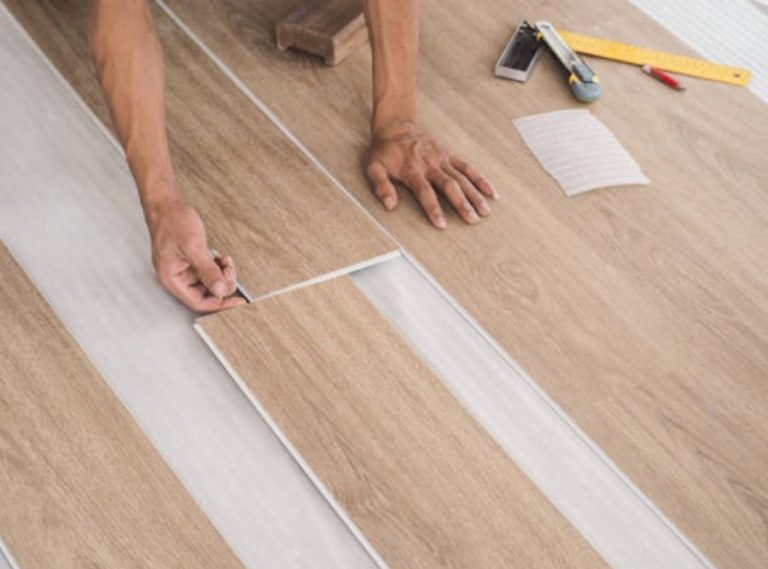
Professional Installation Vs. DIY
Deciding whether to install flooring yourself or hire professionals isn’t just about cost — it’s about how well and how long your floors will perform. The rise of click-lock systems and DIY-friendly materials like laminate and luxury vinyl plank has made self-installation more accessible, offering flexibility, personal control, and potential savings.
Yet, every flooring project has hidden challenges: subfloor conditions, moisture control, precise cuts, room layout complexities, and the need for proper underlayment and expansion gaps. Knowing what professional installers bring to the table — from accurate measurements to quality assurance — helps you determine if DIY is truly worthwhile or if investing in expertise will pay off long term.
The rise of click-lock flooring systems has made DIY installation more accessible. However, understanding what professionals provide helps you determine if DIY is truly worthwhile for your project.
What Professional Installation Includes
Comprehensive Assessment:
- Evaluation of subfloor condition
- Moisture testing
- Recommendations for necessary preparation
- Identification of potential issues before they become problems
Expert Preparation:
- Subfloor leveling to manufacturer specifications
- Proper underlayment selection and installation
- Moisture barrier installation where needed
- Transition planning for seamless room-to-room flow
Skilled Installation:
- Proper acclimation of materials
- Correct use of specialized tools
- Pattern layout for visual appeal
- Precise cuts around obstacles
- Appropriate expansion gaps
- Professional-grade adhesives and techniques
Quality Assurance:
- Warranty protection (many manufacturer warranties require professional installation)
- Insurance coverage for installation issues
- Accountability for results
- Timeline management
Cleanup and Completion:
- Removal and disposal of old flooring
- Installation of transitions and moldings
- Final cleanup
- Walkthrough and care instructions
When DIY Makes Sense
Good DIY Candidates:
- Floating LVP or Laminate: Click-lock systems are genuinely DIY-friendly
- Small, Simple Rooms: Closets, small bathrooms without complex layouts
- Straightforward Layouts: Rectangular rooms without many angles or obstacles
- DIYers with Skills: Experience with tools and home improvement projects
DIY Prerequisites:
- Adequate tools (or willingness to rent/buy specialty tools)
- Time to complete project (typically 2-3x longer than professionals)
- Physical ability for extensive kneeling, lifting, and detailed work
- Patience for learning curve and potential mistakes
- Helper for material moving and holding pieces
When Professional Installation Is Wise
Strongly Recommend Professional Installation For:
- Requires nail guns, saws, and specialized hardwood tools
- Subfloor preparation is critical
- Acclimation and moisture management expertise essential
- Improper installation voids warranties
- Demands perfectly level subfloors
- Requires trowel technique mastery
- Grout and sealing expertise needed
- Mistakes are expensive and difficult to correct
Large or Complex Areas:
- Multiple rooms with transitions
- Diagonal or herringbone patterns
- Rooms with many angles, doorways, or obstacles
- Stairs (especially)
Valuable Homes:
- Installation mistakes reduce home value
- Professional results match home quality
The True Cost Comparison
DIY Cost Analysis:
Apparent Savings:
- No labor costs
- You “keep” the money
Hidden Costs:
- Tool purchase or rental: $100-500
- Material waste from mistakes: 5-15% additional
- Time value (40 hours for medium room vs. 8 hours for pro)
- Potential redo costs if mistakes are significant
- Lack of warranty protection
Professional Installation Value:
Apparent Costs:
- Labor fees: typically 40-60% of total project cost
Included Value:
- Efficiency (finished in days, not weekends)
- Expertise preventing costly mistakes
- Warranty protection
- Professional results increasing home value
- Your time freed for other priorities
- Peace of mind
The Hybrid Approach
Some homeowners find middle ground:
Pro Does Complex Work, You Handle Simple Tasks:
- Professional installs main areas
- You install closets or simple spaces
- Professional prepares subfloor, you paint trim
Benefits:
- Cost savings on straightforward portions
- Professional results where it matters most
- Learning opportunity without high stakes
Honest Self-Assessment Questions
Before committing to DIY:
- Do I realistically have the time? (Be honest—installation always takes longer than estimated)
- Am I comfortable with potential mistakes? (They will happen; can you accept imperfection?)
- Do I have proper tools or budget to acquire them?
- Is my subfloor in good condition? (Bad subfloors doom even expert installation)
- How important is the warranty? (DIY typically voids it)
- What’s my time worth? (Could I earn more working my job than I’d save doing this?)
- Am I physically capable of the extended kneeling, lifting, and repetitive work?
Our Professional Recommendation
After three decades in the flooring industry, we’ve seen countless DIY projects. The most satisfied homeowners either:
Hire professionals for their entire project and enjoy stress-free results, or
Carefully select appropriate DIY projects (floating floors in simple spaces) while hiring professionals for complex work (hardwood, tile, stairs, large areas)
The least satisfied homeowners attempted DIY installation beyond their skill level, resulting in:
- Visible mistakes they see daily
- Installation issues causing premature failure
- Having to hire professionals to fix mistakes (costing more than hiring professionals initially)
- Time and stress far exceeding expectations
While we respect the desire to save money and the satisfaction of completing projects yourself, we encourage realistic assessment of your skills and the complexity of your project.
Choosing What’s Right for Your Home — and Peace of Mind
Whether you decide to go the DIY route or hire professionals, the key is selecting an approach that matches your space, skills, and expectations for longevity. For simple rooms or easy-install floors, DIY may give you savings and satisfaction — but for complex layouts, premium materials, or long-term durability, professional installation often delivers superior quality, fewer headaches, and warranty protection.
By weighing factors like time, budget, layout complexity, and your comfort level with tools and precision work, you can confidently choose the installation method that’s right for your home. Your flooring deserves more than a quick fix — it deserves a foundation built with care and expertise.