How Flooring Choices Can Help Reduce Fall Risks for Seniors and Families
A beautiful floor can change the entire feeling of a home. It can make a room feel brighter, warmer, cleaner, more modern, or better connected to the way a family actually lives. But flooring is not only a design decision. It also affects how people move through a home every single day.
For families with young children, older parents, visiting grandparents, pets, guests, or anyone planning to age in place, flooring choices can make a meaningful difference in comfort and safety. The right surface, proper installation, smooth transitions, and moisture awareness can help reduce everyday fall risks before they become serious problems.
That matters in the Lowcountry, where homes often deal with humidity, sand, rain, pool traffic, outdoor living spaces, and frequent visitors. A floor that works beautifully in one part of the house may not be the best choice for a bathroom, laundry room, kitchen, screened porch, rental property, or entryway that sees wet feet and heavy traffic.
Why Fall Prevention Starts With the Surfaces Underfoot
Most people think about fall risks after something happens. A parent slips in the bathroom. A child trips over a raised transition. A guest catches a toe on loose carpet. Someone steps inside from the pool and slides across smooth tile.
But many of those risks are connected to flooring details that homeowners can evaluate before an accident occurs.
Flooring affects traction, stability, visibility, comfort, and the way people move between rooms. A slippery surface, uneven threshold, loose plank, curling rug, or poorly lit step may seem minor until the wrong person encounters it at the wrong time.
For seniors, even a simple fall can lead to serious injuries and long recovery times. For families, fall prevention is also about children running through the house, grandparents visiting for holidays, and guests who do not know the layout as well as the people who live there.
A safer home starts by looking honestly at the surfaces everyone uses every day.
A Local Legal Perspective on Everyday Fall Hazards
Fall prevention is often about noticing the details people become used to seeing every day. A loose transition strip, slick surface, uneven step, or damaged flooring may seem minor until someone gets hurt.
For homeowners who regularly welcome guests, older relatives, or vacation renters, the details that create fall risks are often hiding in plain sight — a loose transition strip, a slick bathroom floor, a step that never quite got fixed. Premises liability attorneys, including Shelton Law Firm, point out that those overlooked details are frequently what matters most after an injury occurs. Catching them early is far simpler than explaining them later.
That perspective is especially relevant for homes that regularly welcome visitors, older relatives, grandchildren, renters, or guests who are unfamiliar with the layout. Safety is not about making a home feel clinical. It is about making sure the people inside can move with confidence.
Moisture Matters in Lowcountry Homes
In Hilton Head, Bluffton, Beaufort, Okatie, and surrounding coastal communities, moisture is part of daily life. Humidity, afternoon rain, sandy feet, pool water, and outdoor living all affect how flooring performs over time.
Entryways, mudrooms, kitchens, bathrooms, laundry rooms, and areas near sliding doors tend to see the most moisture. So do homes with pools, screened porches, outdoor showers, or frequent guests coming in from the beach, yard, or patio.
When flooring becomes slick, warped, loose, or uneven because of moisture, the fall risk increases. This is especially true for seniors or anyone with limited balance or mobility.
Homeowners should think carefully about where water is likely to appear. A polished surface that looks beautiful in a showroom may not be the best choice near a pool entrance or bathroom. A more slip-resistant material, better texture, or more suitable flooring product may provide a safer everyday experience without sacrificing style.
Choosing Flooring With Better Traction
Traction is one of the most important safety factors in flooring. It affects how secure a person feels when walking, turning, carrying laundry, stepping out of the shower, or moving quickly through the house.
Some flooring materials naturally provide more grip than others. Textured tile, certain luxury vinyl products, low-pile carpet, cork, and properly finished hardwood can all be considered depending on the room, household needs, and maintenance expectations.
The goal is not to make every floor feel rough or utilitarian. It is to choose materials that match how the space is used.
A bathroom needs a different performance than a formal dining room. A hallway used by older adults may need more stability than a guest bedroom. A vacation rental or family gathering space may need durable flooring that can handle wet shoes, children, pets, and luggage without becoming slippery or unstable.
A flooring professional can help homeowners compare materials not only by color and cost, but also by texture, slip resistance, durability, and maintenance needs.
Watch the Transitions Between Rooms
Many falls happen where one surface changes to another.
A hardwood floor may meet tile. Carpet may meet luxury vinyl. A hallway may shift into a bathroom. A bedroom may transition to a closet or step down into another living area. These small changes can become trip hazards if the height difference is too sharp, the transition strip is loose, or the edge is not finished properly.
For seniors, transitions can be especially challenging because even a small raised edge may catch a foot, walker, cane, or slipper. For children, transitions can become stumbling points when they run through the house. For guests, unfamiliar floor changes may not be obvious until they are already walking across them.
Homeowners should walk through the house and pay close attention to every threshold. Look for raised edges, loose strips, gaps, cracked tile, frayed carpet, uneven boards, or places where the floor feels unstable underfoot.
A clean, smooth, properly installed transition can make a home feel more polished and safer at the same time.
Loose Rugs and Runners Can Create Hidden Risks
Area rugs and hallway runners can add warmth, color, and personality to a room. They can also create fall risks if they slide, curl, bunch, or sit on top of a slick surface without proper backing.
This is especially important in hallways, bedrooms, living rooms, kitchens, and bathrooms, where people may walk barefoot, in socks, or with less attention. A rug that shifts slightly every day may not seem urgent, but it can become dangerous for someone with a slower reaction time or reduced balance.
Homeowners do not always need to remove rugs entirely. Instead, they should secure them properly, choose low-profile options, avoid curled corners, and make sure rugs do not create an uneven walking surface.
In homes designed for aging in place, fewer loose rugs often means fewer unnecessary hazards.
Bathrooms, Kitchens, and Laundry Rooms Need Extra Attention
Bathrooms, kitchens, and laundry rooms are some of the most important rooms to evaluate for fall prevention because they combine hard surfaces with water.
A bathroom floor may become slick after a shower. A kitchen floor may collect spills near the sink, dishwasher, refrigerator, or cooking area. A laundry room may have water from appliances, cleaning products, or outdoor access.
In these spaces, homeowners should think about both the flooring material and daily use. Is the surface slippery when wet? Is it easy to clean? Does it show puddles clearly? Is the transition into the room smooth? Are mats secure? Does the room have enough lighting?
For seniors, bathrooms are especially important. A safer bathroom floor, paired with grab bars, good lighting, and a clear walking path, can make daily routines feel more secure.
The best flooring choice for these spaces balances appearance, durability, water resistance, and traction.
Carpet Can Help in the Right Spaces
Carpet is not always the first material people think of when discussing fall prevention, but it can be helpful in certain rooms. Bedrooms, sitting rooms, and low-traffic spaces may benefit from the softness, warmth, and cushioning carpet provides.
For seniors, carpet can feel more stable than slick hard flooring, especially when paired with proper padding and professional installation. For children, carpet may soften tumbles during everyday play.
That said, carpet also needs to be chosen carefully. High pile carpet can make it harder to move walkers, canes, wheelchairs, or rolling furniture. Loose or wrinkled carpet can create trip hazards. Worn carpet near doorways or stairs can become unsafe over time.
Low-pile carpet with secure installation is often a better choice for households focused on mobility and fall reduction.
Stairs Deserve a Separate Safety Review
Stairs are one of the most important areas of the home when it comes to fall prevention. Flooring on stairs should be stable, visible, and appropriate for the people using them.
Homeowners should look for worn treads, loose carpet, slick wood, uneven stair height, poor lighting, missing handrails, or stair noses that are hard to see. A staircase that looks beautiful in photos may not feel secure for a senior adult, a child carrying toys, or a guest walking down at night.
Adding better stair lighting, improving tread traction, securing carpet, or updating worn stair materials can help reduce risk without taking away from the style of the home.
If a household includes older adults or frequent guests, stairs should never be treated as an afterthought.
Flooring Choices for Aging in Place
Many Lowcountry homeowners are thinking long term. Some are retiring to the area. Others are preparing a home for aging parents, multigenerational living, or future mobility needs.
Flooring plays a major role in aging in place.
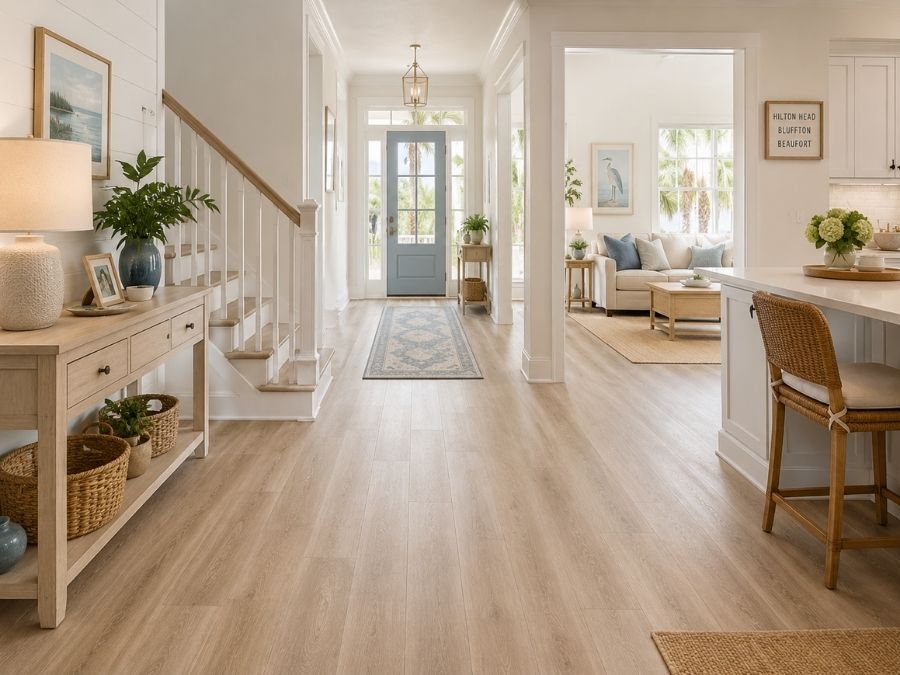
Smooth but not slippery surfaces are easier to navigate. Low thresholds reduce tripping. Durable materials lower the need for frequent repairs. Consistent flooring from room to room can make movement feel more natural. Properly installed floors help prevent loose edges, gaps, and shifting surfaces.
Homeowners should also think about walkers, canes, wheelchairs, and other mobility aids. A floor that looks good but creates resistance, slipping, or uneven movement may not be the best long-term choice.
Aging in place does not mean giving up style. It means choosing materials that support comfort, independence, and everyday confidence.
Why Installation Quality Matters
Even the right flooring material can create problems if it is not installed correctly.
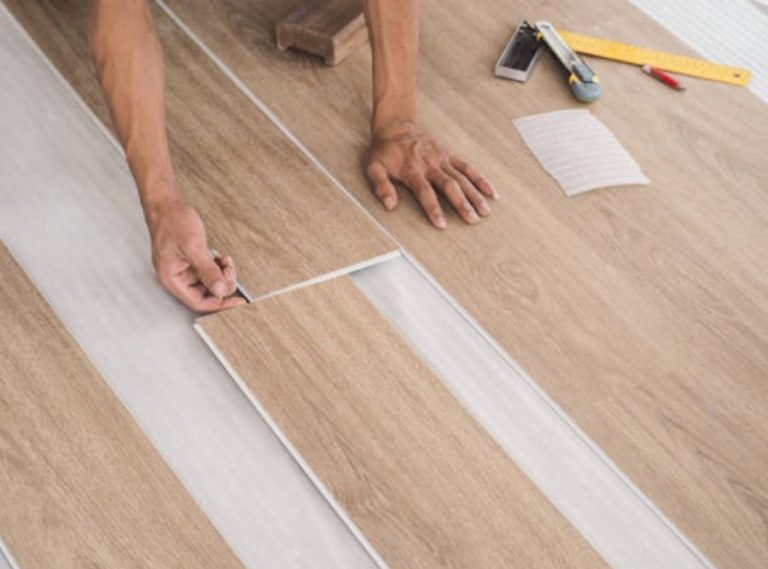
A poor installation can lead to gaps, lifting edges, uneven seams, loose tiles, unstable planks, buckling, or transitions that do not sit properly. Over time, these issues can become both cosmetic problems and safety concerns.
Professional installation matters because flooring has to perform in real life, not just look good on day one. Subfloor preparation, moisture considerations, product selection, transitions, adhesives, spacing, and finishing details all affect the final result.
In the Lowcountry, where moisture and humidity can affect flooring performance, proper installation becomes even more important. The goal is a floor that stays stable, attractive, and functional through daily use.
Signs Your Flooring May Need Attention
Homeowners do not have to wait for a major renovation to improve floor safety. Sometimes the first step is simply noticing what no longer feels secure.
Watch for flooring that moves, creaks, lifts, curls, cracks, separates, or feels slick when wet. Look for carpet that wrinkles or pulls away from the wall. Check transitions that feel raised or loose. Notice areas where guests stumble or where older family members slow down.
Also, pay attention to places where water often appears. If a floor near the bathroom, kitchen, laundry room, pool entrance, or patio door is repeatedly wet, the material may not be ideal for that location.
These signs do not always mean the entire floor needs to be replaced. In some cases, a repair, transition update, rug adjustment, or professional inspection may be enough. The important thing is not to ignore small issues that affect how people move through the home.
Making the Home Safer Without Losing Style
One of the biggest misconceptions about safety-focused flooring is that it has to look institutional. That is simply not true.
Today’s flooring options give homeowners a wide range of choices that can support both design and function. Luxury vinyl can offer durability and water resistance. Tile can bring texture and style to bathrooms and kitchens. Hardwood can remain a beautiful option when properly finished and maintained. Carpet can add warmth in bedrooms and quiet spaces. Stone, laminate, and specialty products can all serve different needs depending on the home.
The best choice depends on the room, the household, the lifestyle, and the people who use the space most often.
A safer floor should still feel like home. It should support the way the family lives while reducing the risks that come from moisture, wear, poor transitions, and unstable surfaces.
A Better Floor Can Change Daily Life
Flooring is one of the few home features people use every single day without thinking about it. It is under every step, every gathering, every quiet morning, every busy family dinner, every holiday visit, and every ordinary walk from room to room.
That is why the right flooring choices matter.
For seniors, safer flooring can support independence and confidence. For families, it can make the home more comfortable for children, guests, and pets. For Lowcountry homeowners, it can help the house stand up to moisture, sand, humidity, and active indoor-outdoor living.
A beautiful floor should do more than complete a room. It should help the home feel safer, easier, and more comfortable for everyone who walks through it.